Summary: Kendrick Perkins criticizes Jordan's executive record, arguing the NBA legend got a pass for his fro
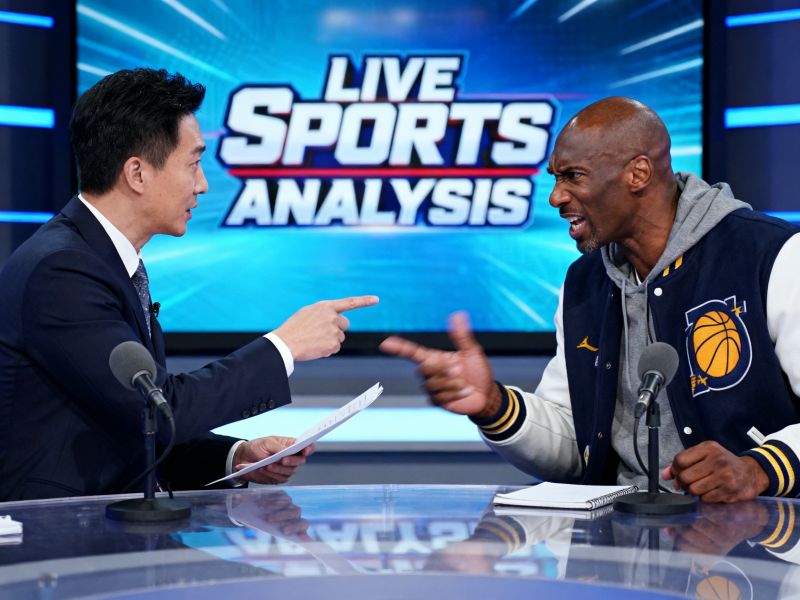
Kendrick Perkins didn't hold back. In a segment that quickly made the rounds on social media, the former NBA big man turned analyst took direct aim at Michael Jordan’s front-office record and leadership style, calling out what he perceives as a double standard in how Jordan’s executive tenure with the Charlotte Hornets is remembered. Perkins criticizes Jordan not for his playing days—those are untouchable—but for the mythology that has insulated Jordan’s post-playing career from the same scrutiny applied to others. “We act like everything MJ touches turns to gold” Perkins said, leaning forward in his chair. “It doesn’t. The man drafted Kwame Brown. He won 44 games in a season and got crushed for it—wait。no, he didn’t get crushed. He got a pass” That pivot, that sudden self-correction, captured the essence of his argument: Jordan’s aura has shielded him from the accountability that defines most executives’ legacies.
The specific flashpoint was Jordan’s tenure as president of basketball operations in Washington and later as owner in Charlotte. Perkins criticizes Jordan for a pattern of questionable draft picks and roster mismanagement, but more pointedly for the media’s kid-gloves treatment. “I’ve seen GMs get run out of town for less” Perkins said. He didn’t need to name names. The implication was clear—Jordan’s six rings buy him a permanent grace period. That’s not just unfair, Perkins argued;it distorts how we evaluate executive competence. I’ve watched enough front-office cycles to know that Perkins has a point. The same outlets that will dissect a young GM’s every move treat Jordan’s Charlotte era as a quirky footnote, a benevolent billionaire’s hobby rather than a decade of underperformance. The Hornets made the playoffs three times in Jordan’s 17 years as majority owner. Three. That’s not a rounding error;that’s a trend.Perkins criticizes Jordan’s approach to building a team, specifically the reliance on late-lottery picks and the reluctance to embrace a full rebuild. He described a conversation he claims to have had with a former Charlotte staffer who felt the front office was “reactive, not proactive” That resonates. The Hornets consistently hovered in mediocrity—not bad enough to land a franchise-changing talent, not good enough to matter in May. Jordan’s competitive fire, the very trait that made him a legend。may have worked against him as an executive. He wanted to win now. He wanted to prove he could build, not just play. Perkins didn’t soften the blow: “You can’t will a championship from the owner’s box. It doesn’t work like that” The observation is blunt, but it cuts to the heart of the critique. Jordan’s playing career was defined by bending reality to his will. His executive career was defined by reality bending back.There’s a personal edge to Perkins’ critique, and he doesn’t pretend otherwise. He has been vocal about feeling marginalized by the basketball establishment, and Jordan represents that establishment in its purest form. But that doesn’t invalidate the argument. If anything, it sharpens it. Perkins criticizes Jordan not to tear down a legend but to demand consistency. “We can hold MJ accountable and still call him the GOAT” he said. “Those two things can live together” That’s the most reasonable sentence in the entire segment, and it’s the one that got buried under the hot-take headlines. The real issue isn’t whether Jordan was a bad executive—the record says he was middling at best—but whether we’re willing to say so without flinching. Perkins is. He’s asking the rest of us to do the same. In a sports media landscape that thrives on outrage and nostalgia in equal measure。that’s a harder ask than it sounds.