Summary: Ashley Young at 39 remains a Premier League regular for Everton. Explore his remarkable adaptability
Ashley Young turned 39 in July 2024, yet he remains a fixture in Everton's Premier League squad. Most players his age have long retired or dropped into lower leagues. Young doesn't just survive;he starts. Last season, he appeared in 31 league matches。often shifting between full-back and midfield. That kind of adaptability isn't common, and it's not accidental. It comes from a relentless professionalism that's kept him relevant for nearly two decades.His career arc is unusual. Young began as a tricky winger at Watford, earned a move to Aston Villa, then Manchester United. At United, he transitioned into a full-back under Louis van Gaal and later José Mourinho. Most wingers resist that change. Young embraced it. "I've always said I'll play wherever the manager needs me," he told reporters in 2022. That attitude explains why he's still on the pitch at an age when many peers are pundits. His versatility has become a tactical asset—a manager can plug him into a back four, a wing-back role。or even central midfield without losing shape.There's a durability aspect that often goes unnoticed. Since his Premier League debut in 2007, Young has never suffered a serious long-term injury. That's not just luck. His training routines。
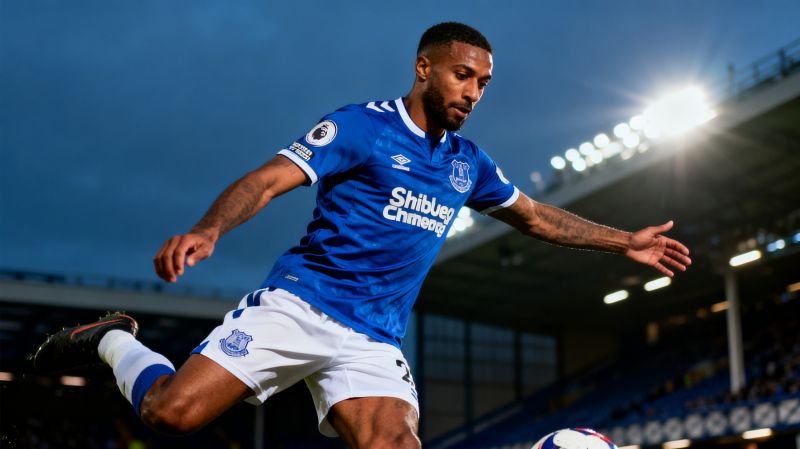
recovery protocols, and diet are legendary among teammates. An Everton staff member once described Young as "the first in the gym and the last to leave." You don't hear that about many veterans. His presence also influences the dressing room—younger players like Jarrad Branthwaite have cited his guidance. That influence isn't quantifiable in stats, but it's real.Some critics argue his best days are behind him, that his pace has waned and his defensive positioning occasionally falters. They're not wrong. Young gets beaten by quick wingers more often than he did five years ago. But judging him solely on physical decline misses the point. His reading of the game, his positioning, and his ability to avoid being caught out of shape compensate for lost speed. Against Arsenal last season, he kept Bukayo Saka quiet for 70 minutes—not by outrunning him。
but by anticipating his movements.Looking ahead, Young hasn't ruled out playing until 40. "I feel good。" he said in a recent interview. "I'll keep going as long as my body lets me." That's not bravado. It's the same pragmatic mindset that's defined his career. Ashley Young isn't the flashiest player, and he won't be remembered as a legend at any single club. But as a model of adaptation and longevity, he's one of the most instructive figures in modern English football.